
Over the decades, we’ve seen PEST extended to PESTLE to STEEPLED, but have we now got all the angles covered for practical 21st century futurism? Perhaps not.

We’ve used the STEEPLED model before several times on this site, with some success. It’s undoubtedly a useful tool. But it’s not perfect: it’s time to recognise its limitations and introduce something new.
A Brief History
It began with PEST (‘Political’, ‘Economic’, ‘Social’ & ‘Technological’) analysis in the 60s and 70s, essentially a tool for business strategy: a way of trying to ‘cover all the angles’ in future planning. Although there were attempts to formulate it as a process, and many well-intentioned people produced copious formal documentation, its real strength lay in its minimalism and remained so as a simple checklist to try to avoid obvious oversights. ‘Damn, we didn’t consider a change of government,’ for example. As such, it had appeal to the more industry-oriented (and industry-renumerated) futurists but less so to those of a philosophical and ethical persuasion.
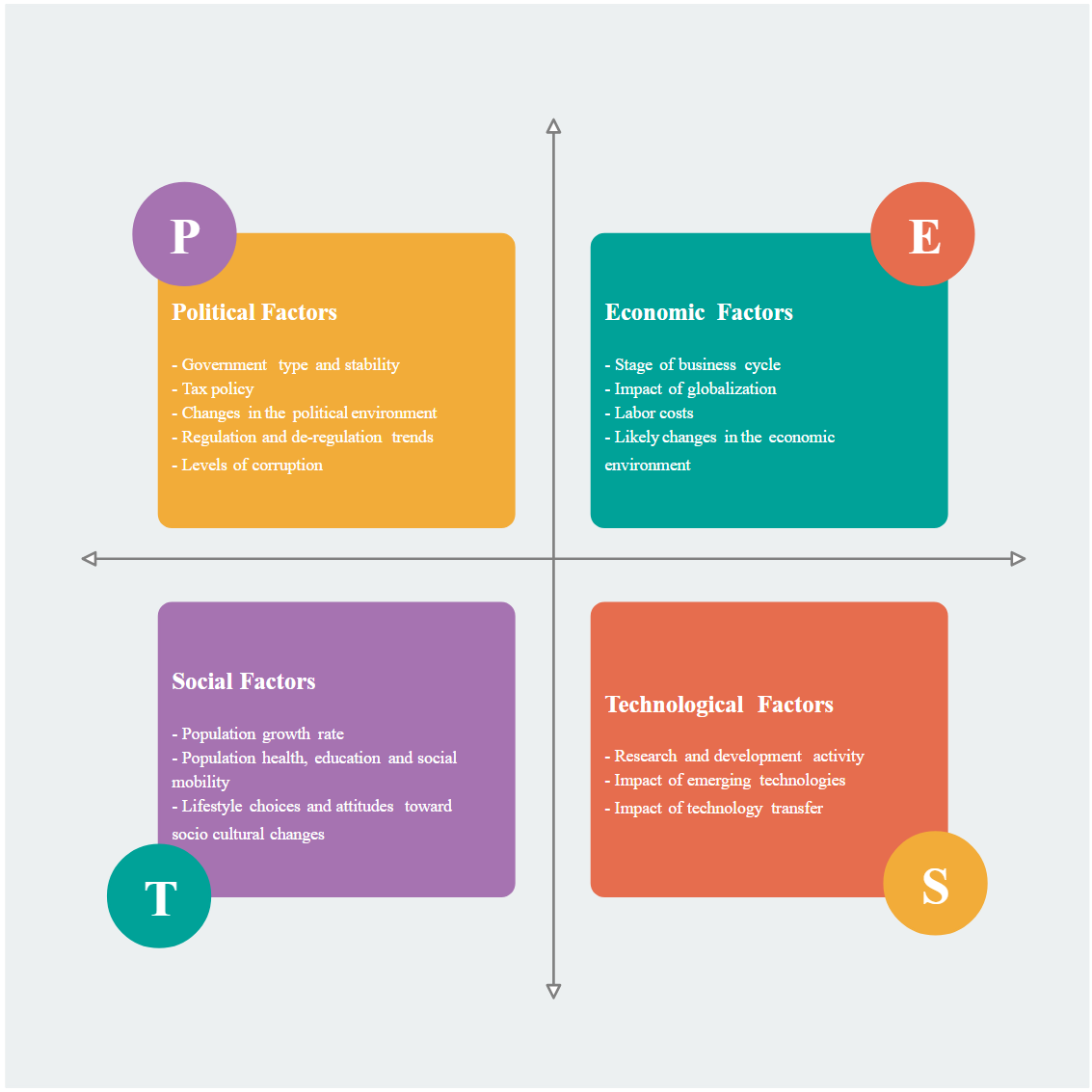
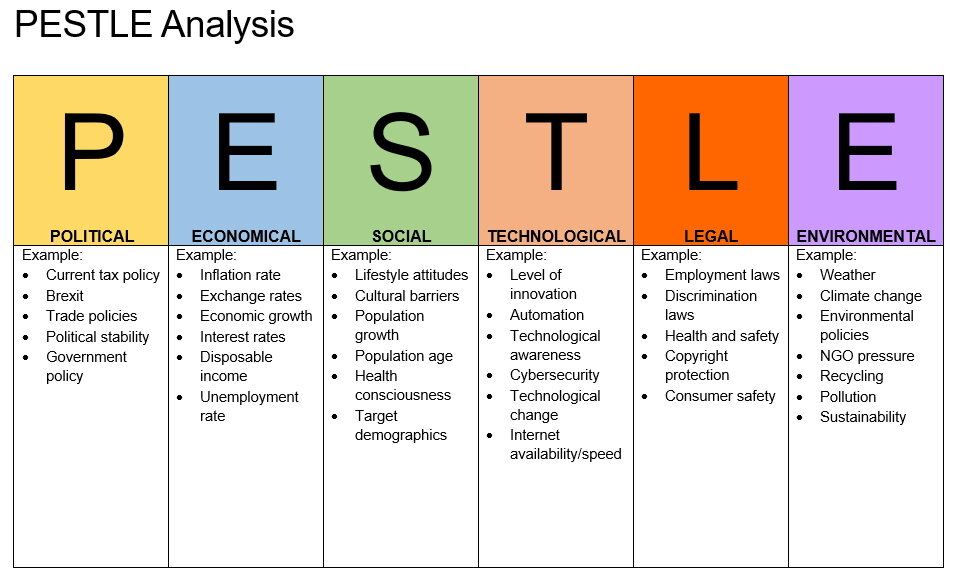
However, as ‘Legal’ and ‘Environmental’ threads were added (very belatedly and possibly reluctantly) through the 80s, more general and ethical futurists and futurologists began to pick up the new PESTLE tool in the 90s. Once again, though forms and flowcharts multiplied anew, the effective essence was of a checklist, to try to at least consider the obvious. As the ‘LE’ simply extended the ‘PEST’, there was little debate as to the order of the ‘E’s, as much as the climate scientists might argue that physical laws warranted precedence over financial ones. It remained largely a business tool.
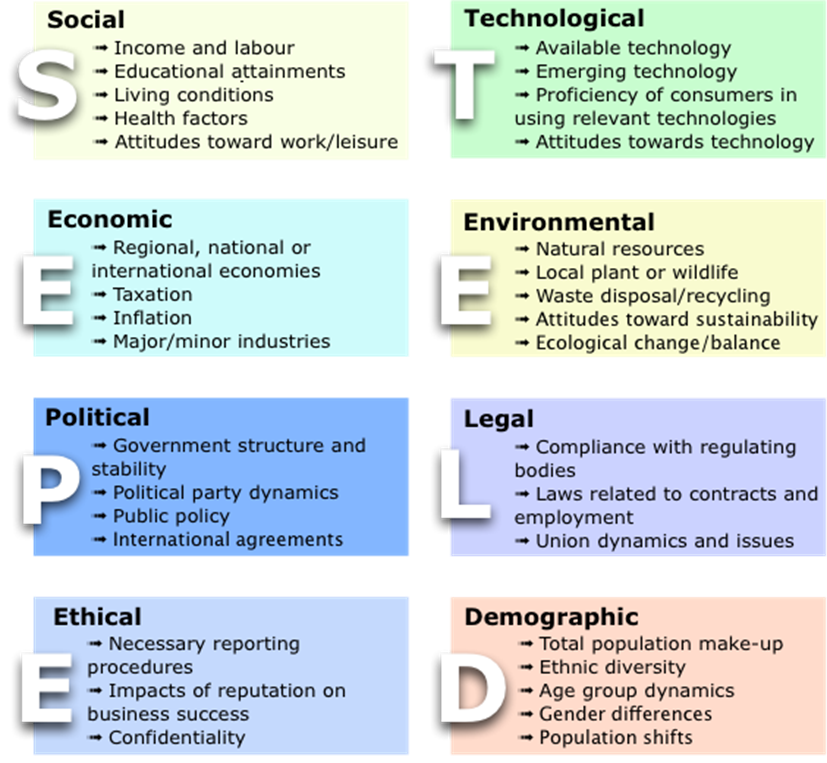
Left to its own devices, the business community would probably have never added the missing ‘Ethics’ dimension, but the futurists and futurologists eventually did, with a new ‘Demographics’ for good measure, giving the STEEPLED model. Not only did this have an apparently full complement of elements beyond the business sphere, there was a realistic opportunity for the (now three) ‘E’s to be prioritised in different ways, even if the common convention was traditional. At last, there was something, a framework, wide-ranging enough to deal with real issues (human survival, etc.) in terms of the rights and wrongs of what should be done rather than merely maximising profit.
So here we are; or at least here we were.
Problems with the STEEPLED framework
Although these models/frameworks will never (in their essential strength) be anything more than checklists to avoid basic but potentially catastrophic oversight, there are still two general issues to address here: the headings (angles, threads, dimensions: call them what you will) and their order. Whilst the former can be dealt with simply, the latter will always be a valid argument and will probably never be perfect, so we’ll consider both together.
In terms of content, there’s probably no great problem including Social, Technological, Economic, Environmental, Political, Legal and Ethical. The Environmental and Ethical dimensions almost certainly need more prominence these days but we’ve already suggested that the ‘E’s are interchangeable.
Demographics however causes interesting issues when applied practically. Yes, it’s important as a separate thread to reflect upon but in reality, it’s almost always covered by the other headings and having it last in the list invariably means that, by the time we get to it, there’s ‘nothing else to say’. Experience suggests we could lose it from the model without missing any essential analysis. The ageing western population, migration to/from cities across the world or socio-economic groups (obviously) for example can be discussed under several existing headings as well as those new ones discussed below.
Then there’s what should be in the model but isn’t, and this warrants careful consideration because we don’t want to throw too much in and make the framework unwieldy. But experience (again) suggests there are two major gaps:
The first is glaring and in fact has been suggested in loose form already: the framework needs an International or Intercultural dimension, otherwise there’s a real danger our thinking will be confined by our own borders or customs. Either but not both would be valid for inclusion (and both helpfully start with the same letter). So if we think of either as including the other then it’s close to an arbitrary choice. However, whilst Intercultural has an attractive aura and could be argued to partially cover for the departing Demographics, the same could also be said of Social. On the other hand International more clearly highlights the missing Global dimension needed to get the ‘big picture’.
The second perhaps is more hidden in conventional ‘what’s going to happen’ analysis but, to ignore it fails the increasingly significant Bread and Roses test. The STEEPLED framework has plenty of ‘bread’ but no ‘roses’. With the possible (but even then questionable) exception of Ethics, it’s an entirely scientific exercise. Is this entirely relevant, acceptable and sufficient for 21st century futurism? Well, no it isn’t.
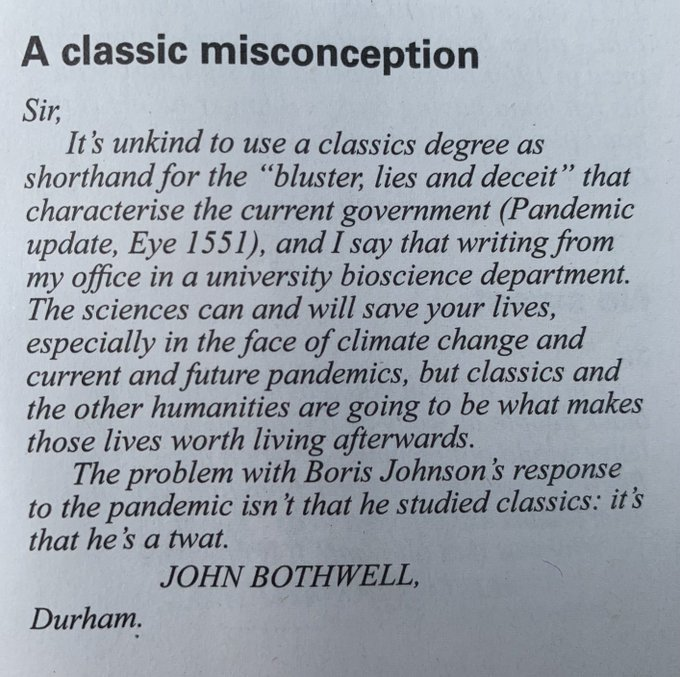
This is supposed to be a tool for futurism, including human futurism, and humans need sustenance beyond the physical. Even a cursory glance at Maslow’s Triangle confirms this but there are more compelling arguments. There’s a clear need for a 21st century futurism framework to consider what Bothwell describes as ‘making lives worth living’: otherwise there’s an element of ‘What’s the point?’ about it all, the sort of question generally ignored by billionaires, for example, looking to colonise other planets to ‘save the human race’. (Which bit of it exactly, and why?)
So, yes, there’s a need for thinking beyond the scientific. Bothwell’s Classics is clearly too narrow although his Humanities is better. Creative is general in a sense but limiting in another. Bearing in mind the common division of academic faculties into ‘Technology’ and ‘Arts’ (and we’ve already got Technology), perhaps Arts is simplest and best?
A new framework for futurism and futurology
So we have STEEPLED – Demographic + International + Arts, making nine dimensions to our proposed new framework. Turning some adjectives into nouns for consistency gives:
| Society | Technology | Economics |
| Environment | Politics | Legislation |
| Ethics | International | Arts |
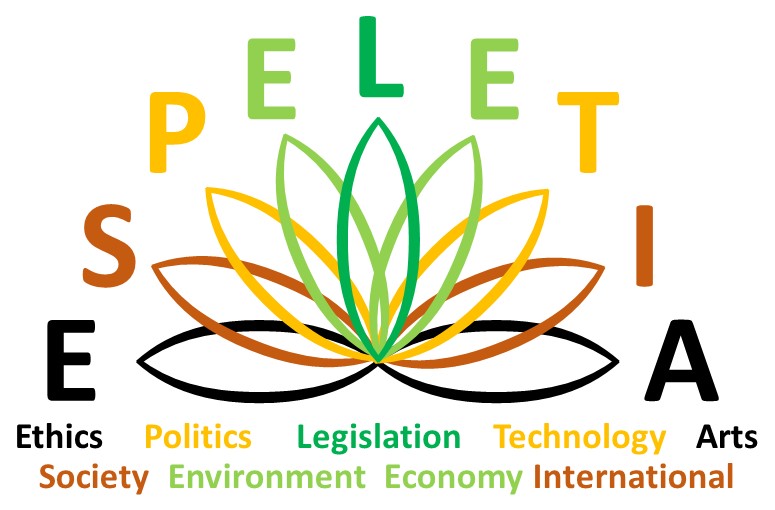
Experimenting with anagrams, gives numerous quirky phrases but very few single words. However, an option turns out to be ESPELETIA, defined by Wikipedia as follows.
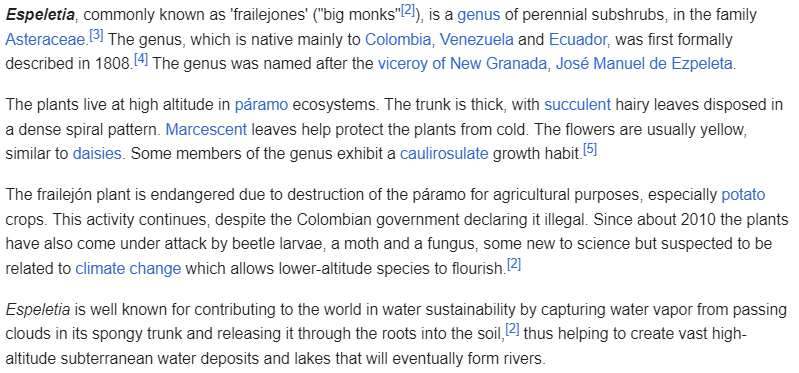

The (positive and negative) references to climate change here give a welcome prominence to the Environmental dimension. We can also take the opportunity to ‘promote’ Ethics as well, and International and Arts, whilst every bit as significant, are highlighted at the end as the ‘recent additions’. We thus have a new model:
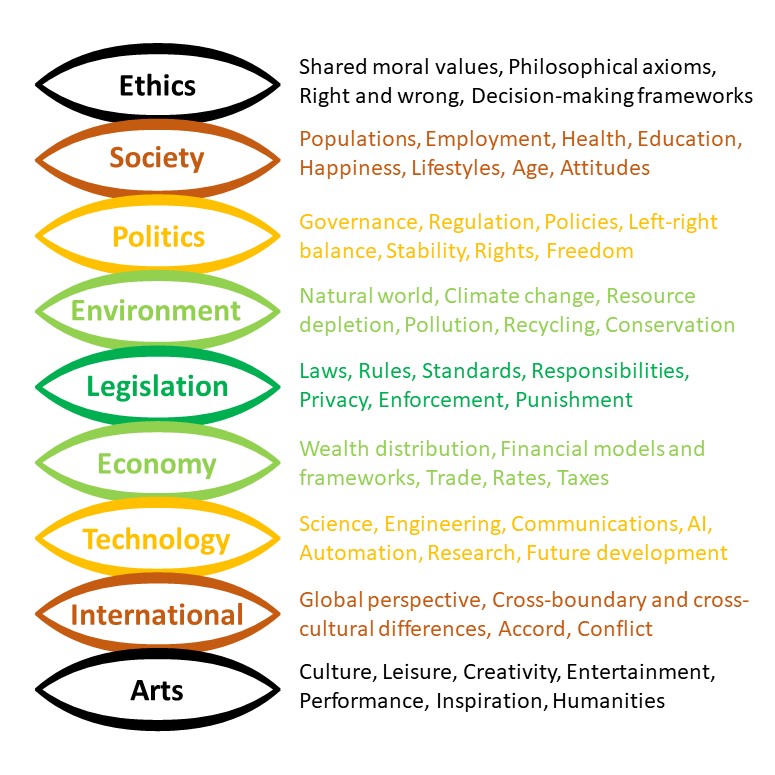
It remains a simple model, not a formal proof of validity. It’s still best not to define a particular process or method of documentation. Rather it’s one of two overlapping tools:
- A checklist for general debate. Have we considered this from the point of view of …,
- An outline structure for a report or an attempt at predicting the future for a technology, topic or collection of concepts, such as in Fully Automated Luxury Dancing.
It will be interesting to revisit various applications of STEEPLED in terms of the new ESPELETIA framework, and future discussions will try to adhere to this format.
Examples to follow …




 Turing's Radiator
January 4th, 2024 at 9:00 am
[…] previous post introduced the ESPELETIA futurism tool. Here this is combined with key emergent and future technology drivers to deliver The […]
January 23rd, 2024 at 11:57 am
[…] recommended that both A New Futurism Tool: ESPELETIA and The Futurology Grid are read before this post. These contain some extra detail that will only […]