Tag Archives: Internet of Things

Shazam for People?

When Shazam first arrived on the scene, it was pretty amazing stuff; now, we rather take it for granted.  But could the same idea soon work for people?

We know the scenario … You’re in a bar or a shop or listening to the radio or TV … or … just about anything really … and you hear a song that you either like or think you recognise or both … but you don’t know what it is.  Frustrating, isn’t it?  At least it was until music identification services such as Shazam first appeared.  After that, no worries; simply allow your mobile to listen to the music for a few seconds, search the central database and, after a few more seconds, it reports back to you with full details of the name, artist and origin.  It might even link you to a central library where you can find more of the same or possibly buy it.

Simple enough; but, might the same principle one day work for people?  It’s really not that hard to imagine …
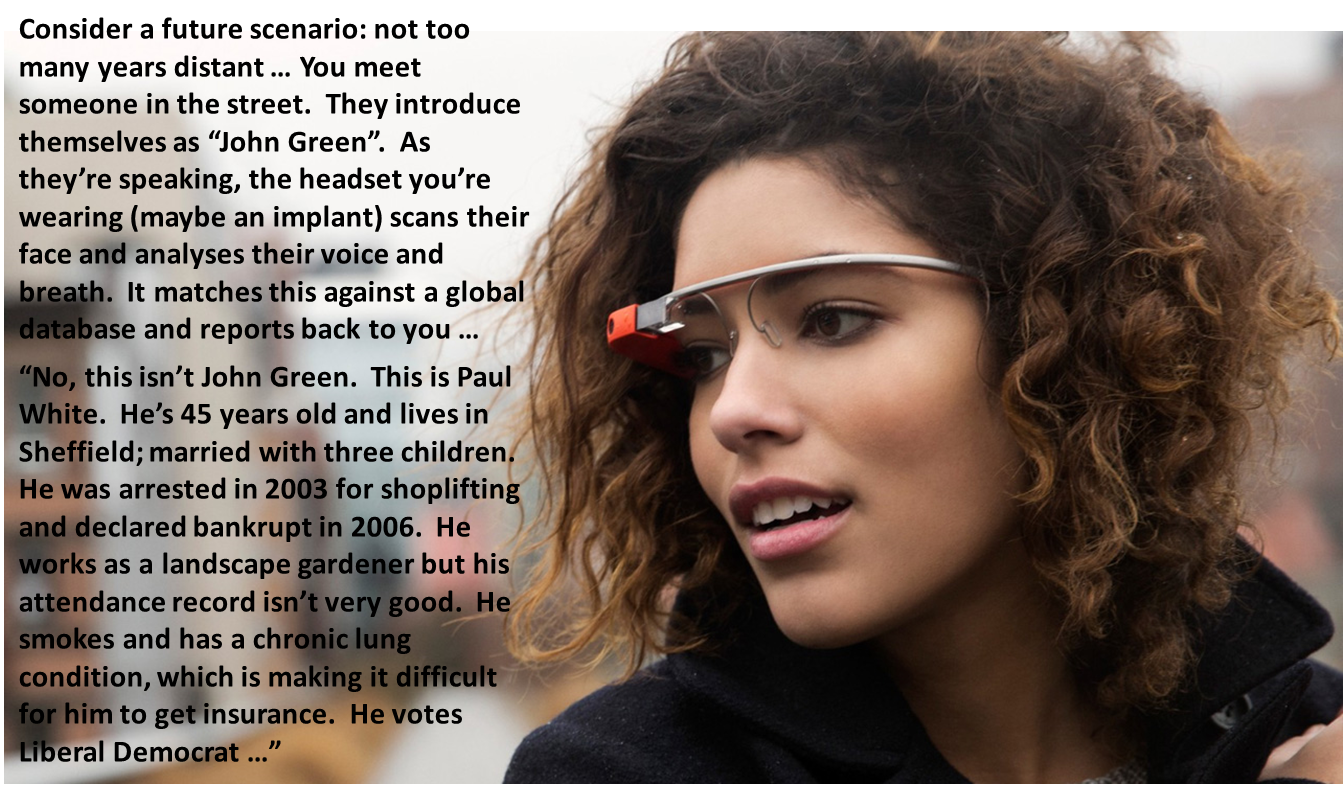
Picture1Accessible text version of photo

Then: “Ah, but this is only the free stuff.  If you’re prepared to pay, I can tell you a lot more about him … “

It sounds like a science fiction ‘Big Brother for Everyone’ nightmare scenario.  But could it happen?  If so, how soon? Continue reading


‘Things’ Ain’t What They Used to Be

(or “Is ‘Everything’ Going to be OK?”)

A very brief note, this one, along the lines of, “Why do we always over-hype ideas?  Even the good ones?”

So is it the ‘Internet of Things’ (IoT) or the ‘Internet of Everything’ (IoE)?  Or are they different things?  If so, what’s the difference?

Well, we’ve been talking about the IoT for some time now.  And it certainly seems to some that the IoE is just a better-sounding name for it.  Cisco though seem to have other ideas.  Here, “Cisco Senior Vice President Rob Soderbery explains how technology transitions like the Internet of Things are enabling the Internet of Everything to revolutionize industries and create value.”  Any idea what that actually means?  Nope, thought not. Continue reading


The Problem with ‘Futurology’

What’s your favourite terrible technological prediction?  There are plenty to choose from, that’s for sure.  The following is just a brief list of the most infamous computing-based futurology howlers (oldest to newest):

  1. “I think there is a world market for maybe five computers”, Thomas Watson: IBM chairman (1943) (* or was it someone else?)
  2. Computers in the future may weigh no more than 1.5 tons”, Popular Mechanics (1949)
  3. “I have traveled the length and breadth of this country and talked with the best people, and I can assure you that data processing is a fad that won’t last out the year”, Prentice Hall: Business Books Editor (1957)
  4. “There is no reason anyone would want a computer in their home”, Ken Olsen: DEC founder (1977)
  5. “640K ought to be enough for anybody”, Bill Gates (1981) (* or did he really?)
  6. “We will never make a 32-bit operating system”, Bill Gates (1989)
  7. “Spam will be a thing of the past in two years’ time”, Bill Gates (2004)
  8. “Next Christmas the iPod will be dead, finished, gone, kaput”, Alan Sugar (2005)

Continue reading


The ‘Real’ Internet of Things

(This post is derived from a talk given at the 2012 Wrexham Science Festival.)

There are so many different ways of describing the Internet of Things.  On the one hand, maybe it’s what the original Internet was always destined to be; on the other, it’s about as boring as it gets.  Tag just about anything and everything we can stick a label on, let them talk to each other, then turn the existing  Internet into a massive database of things that can be referenced, interconnected and used any which way we like.  Great if you really need your fridge to reorder the milk for you or the plants to water themselves but hardly inspirational.  Two features, however, give the proposed (and not yet fully considered) IoT a serious ‘Oooh!’ factor …

Firstly, the ever-increasing intelligence of the Internet will allow us to manipulate this data in new and exciting ways.  More and more, the evolving Semantic Web will be able to understand the information it’s working with and make the best use of it for our benefit.  Our personal and working lives are about to become completely automated and made easier by web intelligence.  Secondly, and potentially on the darker side, other hardware and software developments will extend the IoT’s reach.  Face-recognition, image-scanners and numerous other advanced detectors and sensors will soon mean that everything can be read, whether it’s deliberately labelled or not.  We, and everything we use or own, may soon become part of the Real Internet of Things (RIoT) and we might have to expect to be identified and traced in everything we do.  So what will the future will look like?  Are we heading for paradise or Big Brother? Continue reading